
Guide to the Grants
Your authoritative guide to the government grants available to reduce the cost of your charger and Kerbo Charge channel
Grants that make home charging affordable
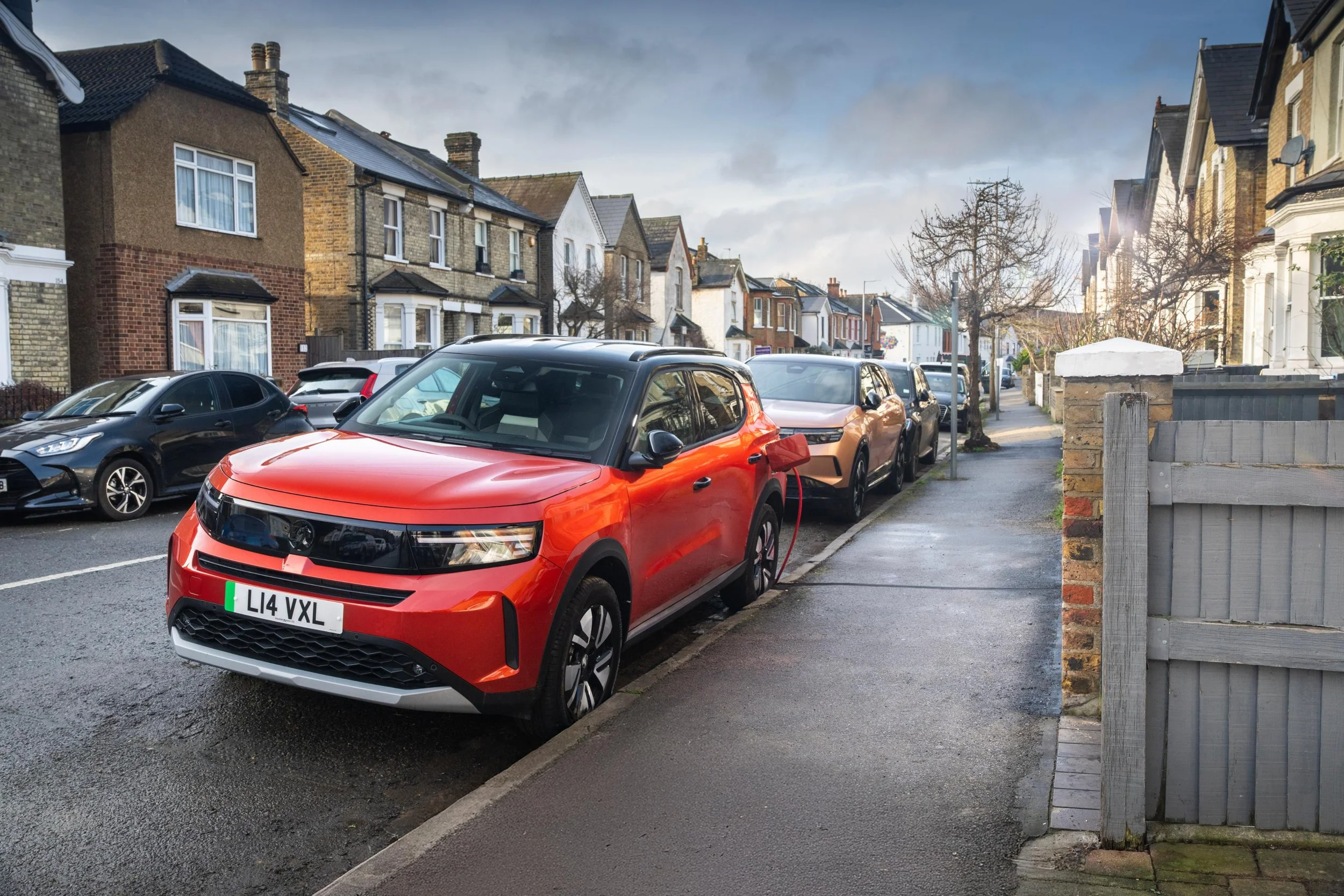
If you park on the street, you can still charge your EV at home from your own electricity supply, at rates far cheaper than public charging. Two UK grants help cover the cost: one for your charger, and one for the cross-pavement channel that carries the cable safely across the footway.

EV Chargepoint Grant for On-Street Parking
Helps pay for buying and installing your home charger, up to £500. Available across England, Scotland, Wales and Northern Ireland.
Pays towards your charger
Cross-Pavement Channel Funding
Up to £1,200 subsidy in England and £3,500 in Scotland towards the Kerbo Charge channel installation. Paid before you pay, so your price is already reduced.
Pays towards your channelApply for the £500 charger grant before your charger is installed
The grant cannot be backdated. The best time to apply is as soon as your Kerbo Charge channel has been approved by your local authority. If the charger goes in first, you lose the £500.
The £500 charger grant
Officially the "Electric Vehicle Chargepoint Grant for Households with On-Street Parking", this gives you up to £500 towards the cost of your home charger. It runs until 31 March 2027 and is only available if you are also installing a permanent cross-pavement solution such as a Kerbo Charge channel, not a temporary mat or cable cover.
Who can apply
- You live in England, Scotland, Wales or Northern Ireland (the Channel Islands and Isle of Man are not eligible).
- You own or rent the home you live in.
- You do not have private off-street parking such as a driveway, garage or residential car park.
- There is suitable on-street parking generally available near your home.
- You own, lease, drive as a company car, or have ordered an OZEV-approved electric vehicle.
- You are installing a permanent cross-pavement channel alongside the charger, and have your highways authority's permission for it.
- You have not already installed the charger, and have not already claimed a home charger grant under this or an earlier scheme.
How to apply
- Get your channel approvedContact your local highways authority for consent to install the Kerbo Charge cross-pavement channel. We can guide you through this.
- Get a charger quoteGet a quote from an OZEV-approved charger installer.
- Apply online, before installingStart your application on the government's Find a grant service. You will provide evidence of your highways approval and declare you will obtain any planning permission needed.
- Wait for confirmationOZEV will email you to confirm you are eligible and set out the terms. Do not install the charger before you get this.
- Have it all installedYour channel and charger are fitted. The charger goes in after the channel is in place.
- Your installer claims the grantYour installer claims the £500 for you and deducts it from your invoice, so it comes straight off your bill.
Evidence you will need
- A quote from an OZEV-approved charger installer.
- Proof that your Kerbo Charge install has been approved by your council. This varies by area and could be a licence document, a permit, or an email.
- Proof that you own, lease or have ordered an eligible electric vehicle.
Common questions
Do I have to pay and then claim the money back?
No. The £500 is deducted from your invoice before you pay. Your installer handles the claim, so you never pay the full amount and wait for a refund.
Can I apply after my charger is fitted?
No. The grant cannot be backdated, and you must not install the charger before OZEV confirms you are eligible. Apply as soon as your channel has council approval.
Does this £500 cover the channel as well?
No. The £500 is for the charger only. The cross-pavement channel is covered separately by the council and Scottish funding described below.
Can I use it if I have a driveway?
No. This grant is specifically for households that rely on on-street parking. If you have private off-street parking, a different residential chargepoint grant may apply instead.
Cross-pavement channel funding
Separate funding helps cover the Kerbo Charge channel itself. How it works depends on where you live. In most cases it is paid directly to your council and taken off the price before you pay, so you never see the full cost.
£25 million for councils
Up to £1,200 subsidy per install, typically reducing the price to between £500 and £800
The government has made £25 million available to English councils that applied for it, which was around four in five of all eligible authorities. The money is paid directly to your council and is almost always deducted from the price before you pay. How far it stretches, and what you pay in the end, varies in every local authority, so your final price depends on where you live.
Some councils are still setting up their schemes. If you live in a combined authority, not every council within it will necessarily be using the funding yet. You can see the full list of council allocations on GOV.UK. The good news is that cross-pavement charging is quickly becoming mainstream across the UK.
Up to £3,500 per household
Enough to cover the full cost of a channel install
The Energy Saving Trust runs a Cross Pavement Charging Grant of up to £3,500 towards an install. It is a pilot, currently open to residents in East Lothian, Renfrewshire, and Perth and Kinross. Grants are first come, first served and can close at any time once the budget runs out, so it is worth applying early and waiting for your offer letter before any work starts.
Many other Scottish councils were waiting for the SCOTS highways group cross-pavement guidance, which has now been published [INSERT: SCOTS guidance link]. If your council is not yet in the pilot, you can help move things along by contacting them to explain why home charging matters to you.
No national channel grant yet
The £500 charger grant still applies
There is currently no national grant scheme for the cross-pavement channel in Wales or Northern Ireland. The £500 charger grant above is still available to eligible households, and cross-pavement charging continues to expand across the UK.